After six months of development published release of the desktop environment Trinity R14.1.7, which continues the development of the KDE 3.5.x and Qt code base 3. Binary packages will soon be prepared for Ubuntu, Debian, RHEL/CentOS, Fedora, Arch, openSUSE and other distributions.
One of the features of Trinity is its own tools for managing screen parameters, a udev-based layer for working with equipment, a new interface for configuring equipment, transition to the Compton-TDE composite manager (Compton fork with TDE extensions), improved network configurator and user authentication mechanisms. The Trinity environment can be installed and used simultaneously with more current releases of KDE, including the ability to use KDE applications already installed on the system in Trinity. There are also tools for correctly displaying the interface of GTK programs without violating the uniform design style.
Main changes:
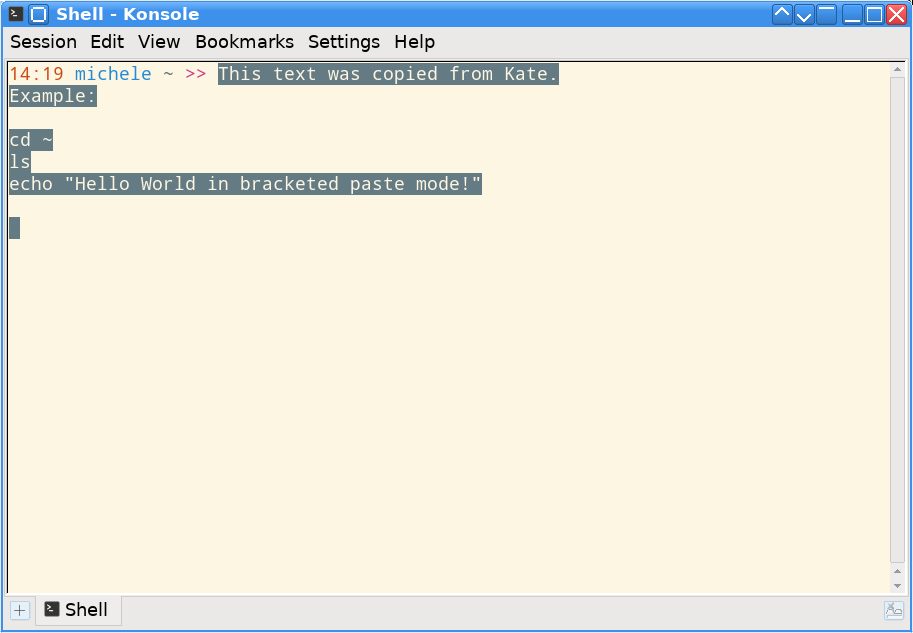
- Support for the protected paste mode from the clipboard has been added to the konsole terminal emulator, in which multi-line content is not launched after pasting line by line automatically, but is highlighted in color and waits for the user to press the Enter key.

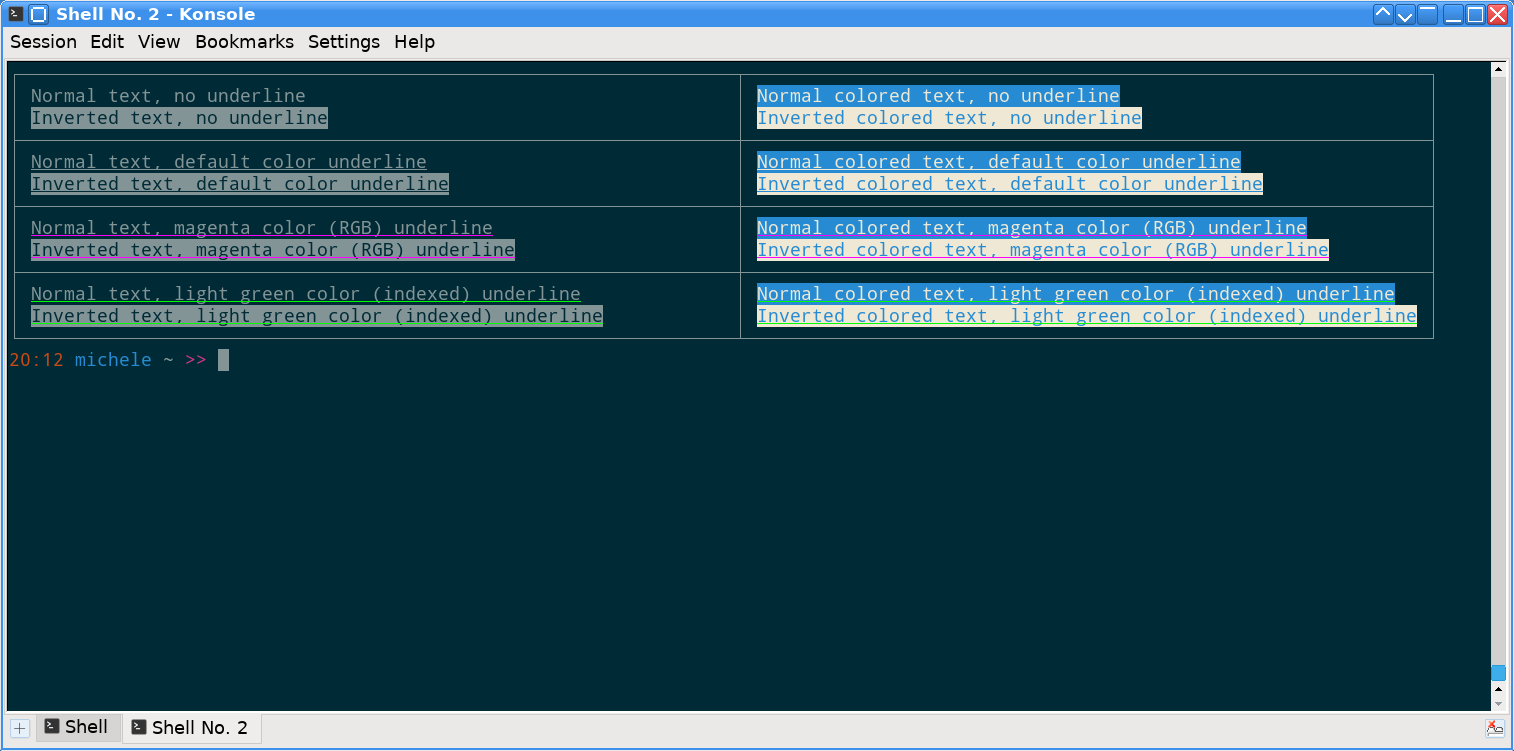
Konsole has added support for colon-separated subparameters in CSI (Control Sequence Introducer) and DCS (Device Control String) control sequences, as well as support for escape sequences SGR 1006 to track mouse clicks (solved click issues in htop) and escape sequences SGR 58/59 to change the underline color of text. A “Select All” button has been added to the menu to select the entire transaction history or the entire screen content.
- In the kate text editor, the logic for setting the cursor position in the document is unified.
- In the korganizer calendar-scheduler, embedding in the application calendar is enabled by default events.
- In the konqueror file manager, when viewing files in the form of a grid of icons, an extended renaming mode has been implemented.