Introduced release of the distribution kit AerynOS 2026.11, which before being renamed was developed under the name Serpent OS. The distribution uses its own package manager and atomic system update model. Development is being led by the legacy Solus distribution team, including Ikey Doherty, the creator of Solus, and Joshua Strobl, a key developer of the Budgie desktop environment. Bootable iso image generated (2.4 GB) for x86_64 architecture and comes with desktop GNOME.
The distribution uses the moss package manager with its own Stone package format and tools for managing system state. To save disk space when storing multiple versions of packages, deduplication based on hard links is used. The update is performed in atomic mode, replacing the contents of the /usr partition. If an update installation fails, the system rolls back to its previous working state.
Most of the packages, including the Linux kernel, are compiled using the Clang compiler. With the exception of the kernel and some system components, changes are applied on the fly, without the need for a reboot. The project also develops the installer Lichen, the build system boulder and the download manager blsforme.
Among the changes in the new assembly:
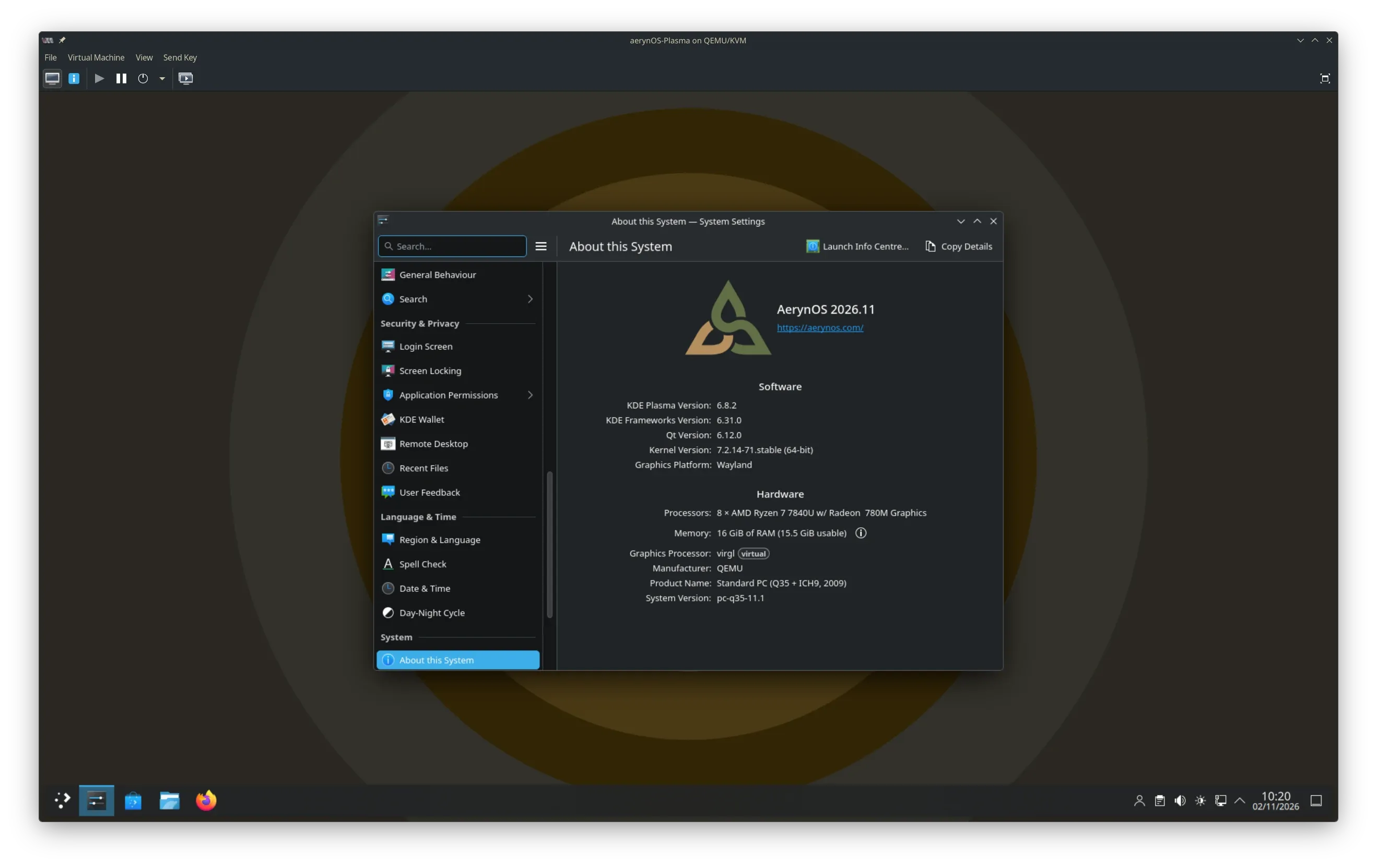
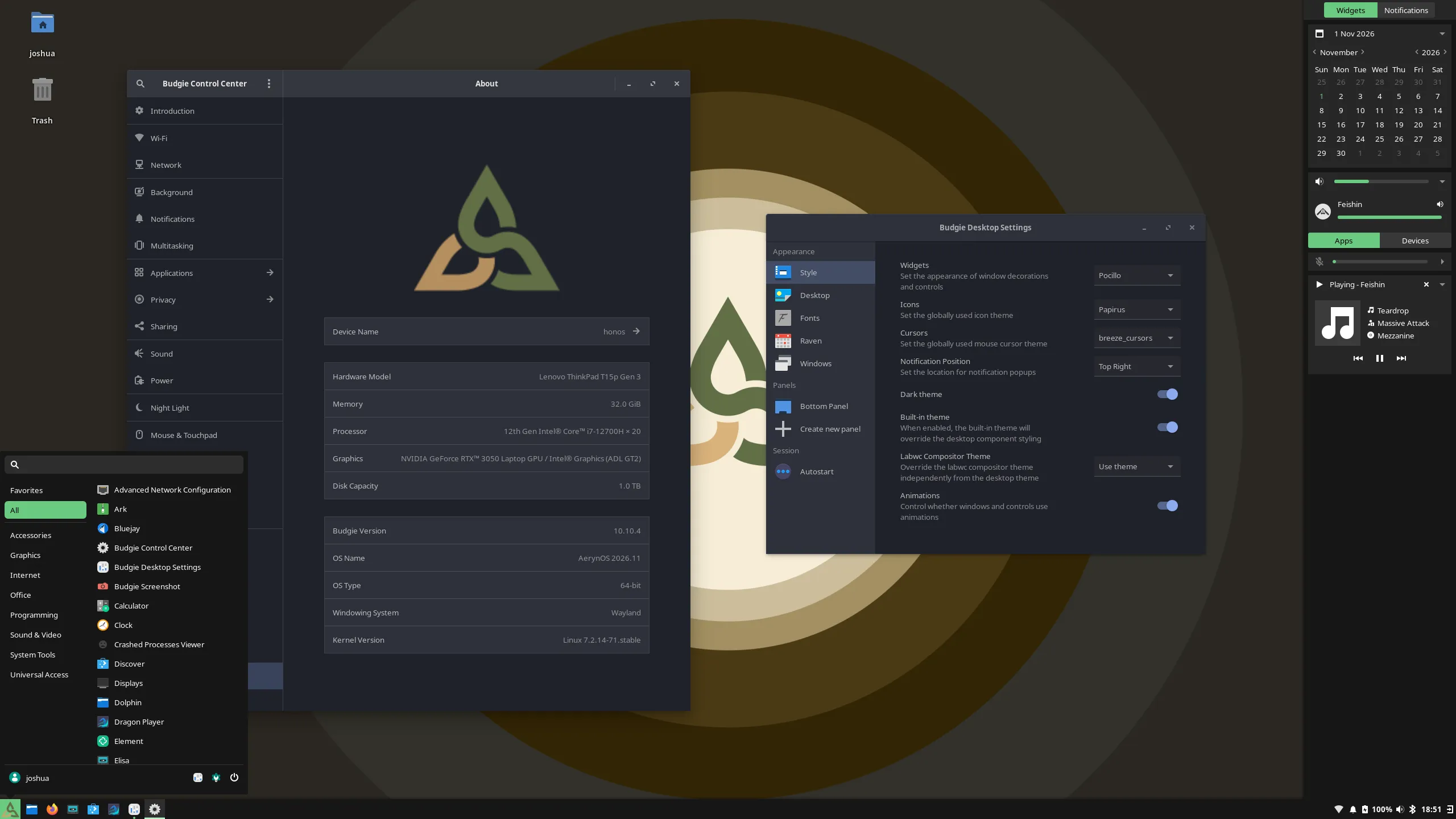
- Updated graphics stack and versions of user environments GNOME 51.1, COSMIC 1.11.0, KDE Plasma 6.8.2, Budgie 10.10.4, Mesa 26.2.6.

- Updated system components, such as Linux kernel 7.2.14, QEMU 11.1.3, PipeWire 1.6.11, Wine 11.21.
- A selection of composite managers using Wayland has been added to the repository, such as Hyprland 0.57, Mango 0.18.4, Miriway 26.10 and Noctalia 5.4.1.
- Added Budgie to the desktops available for installation (previously COSMIC, GNOME and KDE Plasma were offered).
- The installation image offers two installers – the old “lichen” and the new experimental “lichen-installer” (videowith demonstration). The new installer offers an improved text interface with support for auto-partitioning (without manual partitioning), using Btrfs, defining a list of installed packages in the system-model.kdl file, configuring Wi-Fi and keyboard layouts during the installation phase. Unlike the old installer, the new one does not yet implement partition encryption and dual boot.