
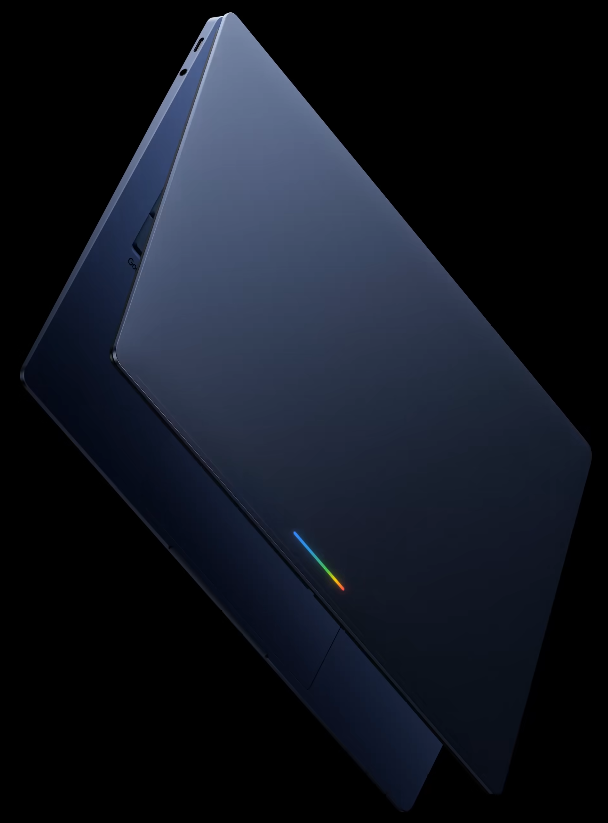
Google has unveiled the Googlebook laptops, featuring an edition of the Android platform known as Aluminum, which merges the capabilities of Android and ChromeOS. This new Googlebook series will replace Chromebooks running on the ChromeOS operating system, which will still receive support until 2034. The release date for the first Googlebook models has not been specified, but it is known that Acer, ASUS, Dell, HP, and Lenovo are collaborating to create them. These models will be crafted using premium materials and will come in a variety of shapes and sizes, with a luminous indicator strip on the lid as a common feature.
The user interface will be based on the desktop mode developed in the Android 16 branch for large screens. This design will enable users to work with multiple application windows simultaneously, akin to a traditional desktop environment.

The Googlebook platform marks a shift from conventional operating systems to intelligent systems integrated with AI services. Users can activate the Gemini AI assistant by simply moving the cursor from side to side, triggering contextual hints when hovering over content. For instance, hovering over a date in a message will prompt the AI assistant to suggest making an appointment, while selecting multiple images can generate a new image. Users can also compare content and ask the AI assistant questions in a similar fashion.
Additionally, users can create custom widgets with AI assistance by describing their desired widget in natural language. Gemini’s AI can search the web and interact with Google apps like Gmail and Calendar to personalize widgets. The platform allows seamless interaction with Android smartphones and the installation of Android apps from Google Play. Users can also launch connected smartphone apps directly from the Googlebook interface without needing to physically retrieve the smartphone or reinstall apps on the laptop.