
The developers behind the MiDesktop project have introduced the first experimental release of their KDE 1.1.2 desktop environment fork, designed to work on modern systems. This project aims to update the KDE 1 codebase to address issues and license restrictions specific to the Qt 1 branch by porting it to the Qt 2 framework. In conjunction with the Osiris project, the developers are also working on an updated fork of Qt 2.3.2. The MiDesktop code is distributed under the GPLv2 license, with ready builds available for Debian 13 and Ubuntu 24.04.
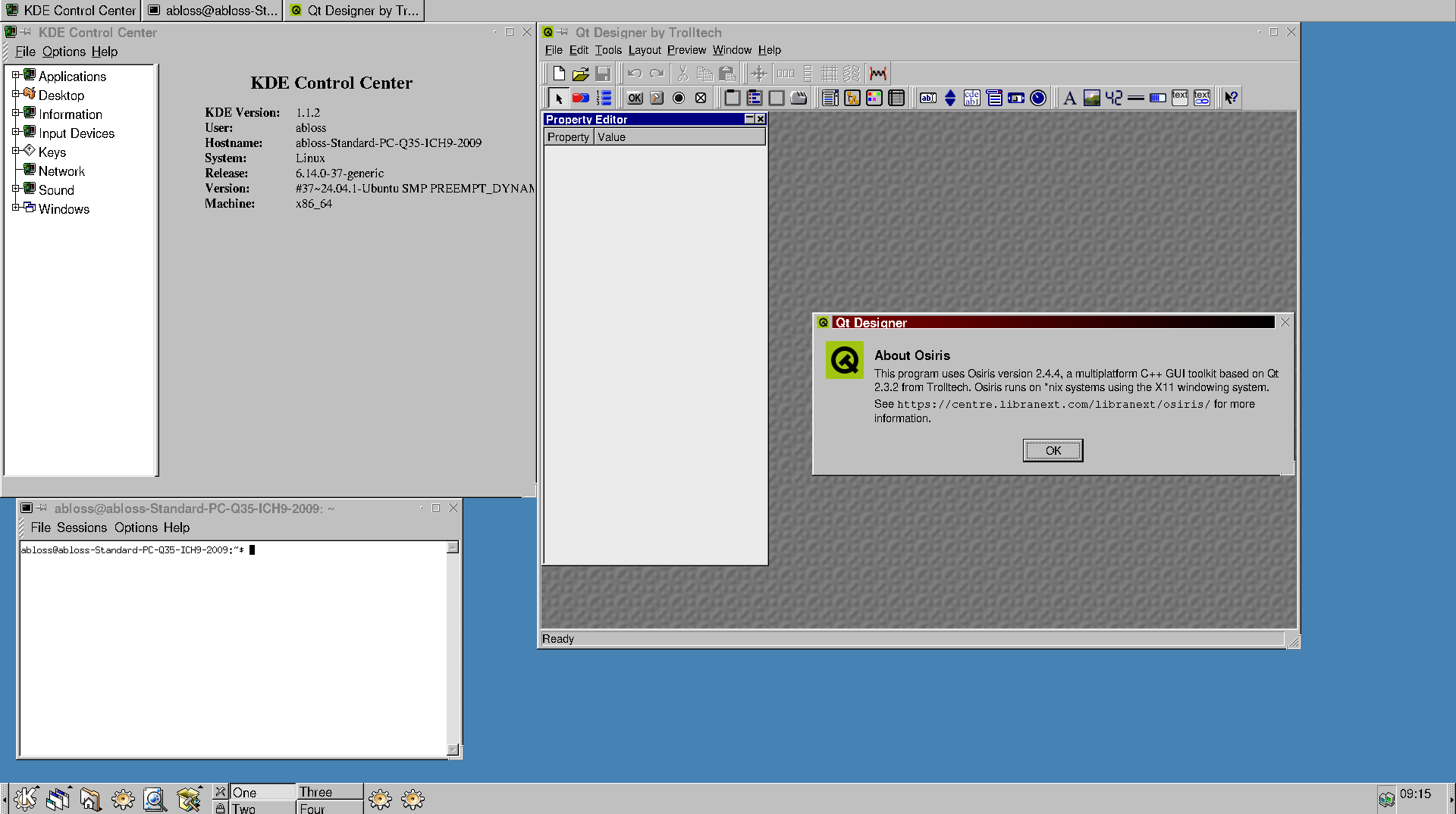
With a focus on modernizing the KDE 1 codebase while maintaining a minimalist approach, MiDesktop aims to provide a simple interface, lightweight design, and high performance. Future plans include developing a version for Wayland, updating KDM for modern systems, porting KDE applications like KEdit, KWrite, KCalc, and KMix, addressing scrolling issues in applications, enhancing power management options in the system shutdown menu, and adding support for sound effects and the latest sound stack.
However, there are some known issues that have yet to be resolved, such as incorrect resizing of Firefox and Chrome windows, disappearing taskbar menus, hidden categories in the configurator, and window expansion across multiple screens in multi-monitor setups. To run MiDesktop, users need a Linux system with glibc and an X server like XWayland or X.Org Server, along with dependencies like libjpeg, libtiff, libpng, Osiris Toolkit 2.4.4+, libxcb, libxkb, and gettext. Additionally, CMake and GCC 12+ are required for assembly.